



A patio enclosure is a structure that fully encloses a patio or outdoor space, providing shelter from the elements while allowing you to enjoy the outdoors in comfort.
With proper maintenance, patio covers can last for many years, with aluminum and vinyl options providing long-term durability.
Yes, patio covers can help keep your home cooler by providing shade and reducing direct sunlight that enters through windows or outdoor areas.
Yes, patio covers can be designed to blend seamlessly with your garden, adding a natural, shaded area for relaxation.
Consider the style of your home, the materials that match your exterior, the climate in your area, and your specific needs for shade and protection.
While it’s possible to install a patio cover yourself, it’s recommended to hire a professional for safety, precision, and proper installation.
Yes, patio covers can also be used as carports to protect vehicles from the sun and weather elements.
Patio covers are usually covered by homeowners’ insurance, but it’s important to verify with your provider to ensure full coverage.
Patio covers are built to be durable, especially when made from high-quality materials such as aluminum or treated wood.
Yes, patio covers can be customized in terms of size, shape, material, and color to fit your needs and match your home’s exterior.
Yes, patio covers are designed to withstand various weather conditions, including rain, sun, and wind, depending on the materials used.
Yes, a patio cover is perfect for outdoor dining, as it provides shade and protection from the elements, making your space more comfortable.
Patio covers provide full coverage from the sun, offering complete shade and protection from rain.
A patio cover provides full protection from the elements, while a pergola offers partial shade and is more decorative in design.
Yes, retractable patio covers are available for added flexibility, allowing you to control the amount of sun or shade as needed.
The cleaning method depends on the material. Generally, a mild soap solution and a soft cloth or brush are sufficient for cleaning patio covers.
Yes, you can install lighting, ceiling fans, or other electrical fixtures to your patio cover to enhance comfort and functionality.
Yes, patio covers can be installed over a hot tub to provide shade and shelter while adding style to your outdoor living area.
Maintenance depends on the material used. For example, wood patio covers should be cleaned and resealed regularly, while aluminum or vinyl covers require minimal upkeep.
Yes, patio covers can increase the value of your home by enhancing your outdoor space and adding aesthetic appeal.
The cost varies depending on the size, material, and design of the patio cover, with prices typically ranging from $2,000 to $10,000.
Yes, patio covers can be installed on existing decks, provided the deck is structurally sound and able to support the new cover.
The installation time for a patio cover typically ranges from one to three days, depending on its size and complexity.
Permit requirements depend on local building codes. It’s best to check with your local authorities before installing a patio cover.
Patio covers can be made from wood, aluminum, vinyl, and other materials, with each offering unique benefits such as durability, ease of maintenance, and aesthetic appeal.
A patio cover is a structure built over a patio or outdoor area to provide protection from the sun, rain, and other elements, enhancing your outdoor living experience.
Yes, modern sunrooms are built to last with high-quality materials designed to withstand the elements, offering a durable and reliable addition to your home.
A well-built sunroom can increase your home’s value by up to 10% depending on the quality of the installation and the overall market.
A 3-season sunroom provides additional living space and shelter from the elements without needing year-round heating, making it an affordable option.
Most homeowners’ insurance policies cover sunrooms, but it’s important to check with your provider to ensure that the addition is fully covered.
Sunrooms are designed with large windows, allowing natural light to flood into the space and brighten up the surrounding areas of your home.
Yes, sunrooms can be added to existing homes as an extension of your living space, providing more room and enhancing your home’s design.
While not always necessary, adding heating to a sunroom ensures it remains comfortable in colder months, especially if you plan to use it year-round.
Yes, sunrooms are ideal for entertaining, offering a bright, airy space where guests can gather while enjoying views of the outdoors.
While sunrooms let in natural light, you can add curtains, blinds, or privacy screens to control visibility and create a more private environment.
Yes, sunrooms built with energy-efficient windows and insulation can reduce your carbon footprint by allowing you to use natural sunlight for heating and lighting.
Yes, many homeowners convert their sunrooms into extra living spaces, such as a home office or guest bedroom.
Yes, sunrooms are great spaces for dining, offering natural light and a comfortable, serene environment for meals.
Decorate a sunroom with comfortable furniture, soft lighting, and plants to create a welcoming, relaxing space that enhances its natural light.
Yes, sunrooms can be designed with sliding glass doors, allowing for easy access to outdoor areas and providing an open feel.
Modern sunrooms are designed with energy-efficient glass and insulation, helping to regulate temperatures and reduce heating and cooling costs.
Yes, you can add heating options like a space heater, fireplace, or even underfloor heating to make your sunroom comfortable in cooler months.
Regular cleaning of windows, checking seals, and inspecting for any damage are important maintenance tasks for keeping your sunroom in great shape.
Yes, sunrooms can be built on existing decks if they are structurally sound and able to support the new addition.
Yes, a well-built sunroom can add both value and appeal to your home by increasing usable living space and improving the overall look of the property.
A sunroom is generally a more simple, functional space, while a conservatory has a more elaborate design and is typically made mostly of glass.
Yes, sunrooms can be used year-round if properly insulated and equipped with heating or cooling systems. They offer an enjoyable space in all seasons.
Depending on the complexity of the design, sunroom construction can take anywhere from a few weeks to several months.
Sunrooms are typically built with materials such as wood, aluminum, vinyl, and glass. The choice of materials will impact the sunroom’s durability, insulation, and style.
Permit requirements vary by location. It’s important to check with your local authorities before building a sunroom to ensure it complies with local building codes.
« Previous PageNext Page »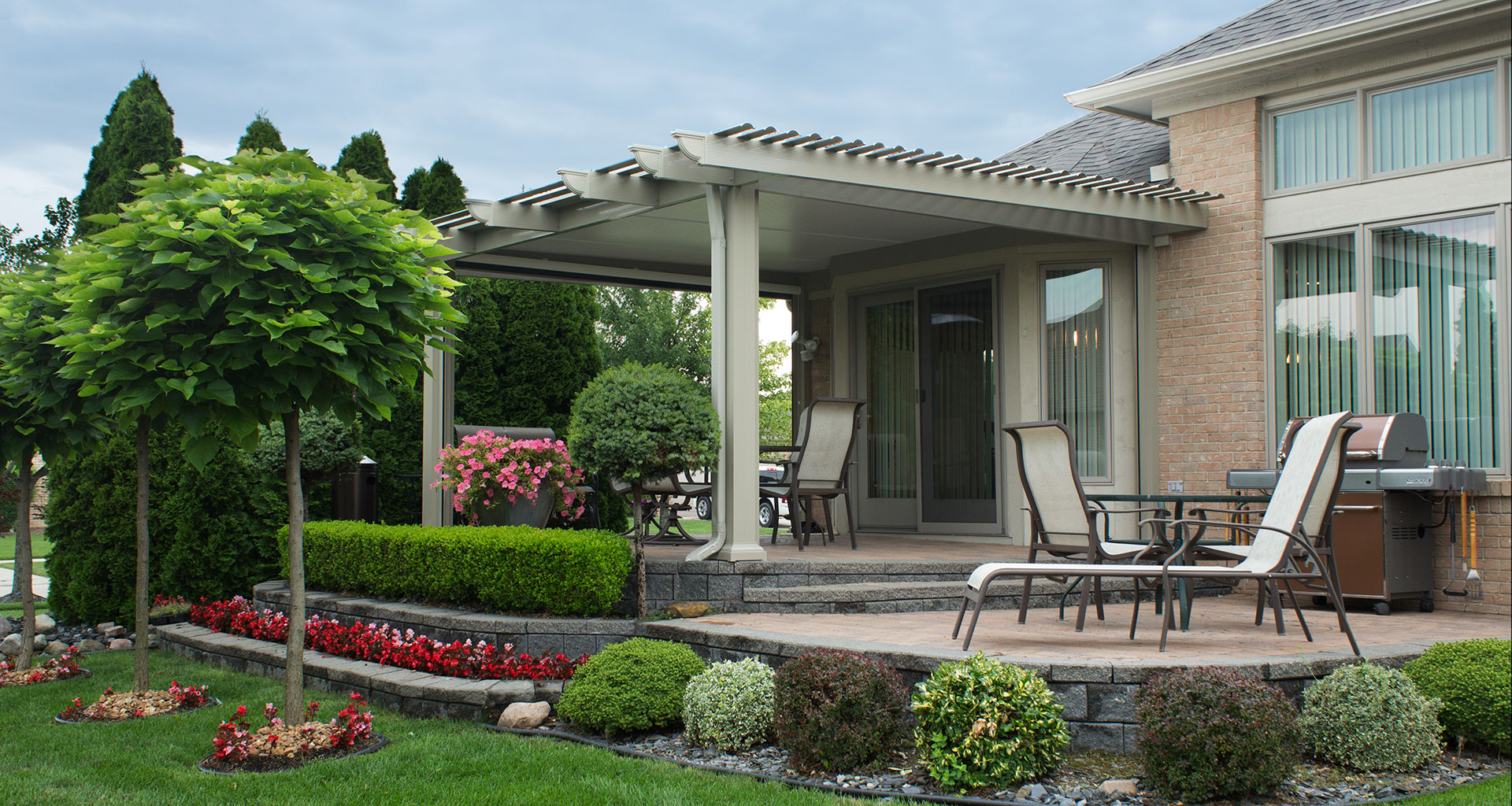
Schedule a Consultation with a Remodeling Expert and Unlock Exclusive Savings.
© 2026 Dream Homes Memphis , LLC | All rights reserved
 901-324-6054